Mold Removal for Renters: A Practical Guide to Protecting Your Health and Home
Why Mold Matters for Renters
Living in a rental property comes with its own set of challenges, and mold is one of the most common and concerning. If you have ever spotted black spots creeping across your bathroom ceiling or a musty smell coming from a closet, you know the alarm it can cause. Mold is not just an eyesore; it can trigger allergies, asthma attacks, and other respiratory problems. The EPA has long identified indoor mold as a potential health hazard, especially for children and the elderly. For renters, the situation is particularly tricky because you do not own the building, yet you live in it every day. Knowing how to handle mold removal for renters is essential, but so is understanding your rights and responsibilities.
Mold thrives in damp, poorly ventilated areas. Leaky pipes, high humidity, and condensation from windows are common culprits. In a rental, the root cause is often something you did not cause and cannot fix alone, like a leaking roof or a crack in the foundation. That is where tenant rights and landlord liability come into play. Most lease agreements require landlords to provide a habitable living space, and mold can violate that promise. The Boston Public Health Commission, for example, has clear guidelines on mold in rentals. But while you wait for repairs, you may need to act fast to protect your belongings and your health.
Know Your Rights and Responsibilities First
Before you start scrubbing, understand the legal landscape. Landlord liability for mold varies by state, but generally, if the mold is caused by a structural issue like a roof leak or a broken HVAC system, the landlord is responsible for fixing the source and often for professional remediation. Your lease agreement should outline who handles what, though many leases are vague on mold. In some cities, including Boston, local health codes require landlords to address mold promptly. You have the right to request an inspection, and if the landlord does not respond, you can contact the Boston Public Health Commission or your local housing authority.
That said, renters also have responsibilities. You are expected to keep the unit clean and ventilated, and to report leaks or moisture problems quickly. If you cause mold through neglect, like leaving wet towels on the floor for weeks, you might be held liable. Document everything: take photos of the mold, keep records of your communication with the landlord, and save receipts for any supplies you buy. This paper trail can protect you if there is a dispute over deposits or repairs.
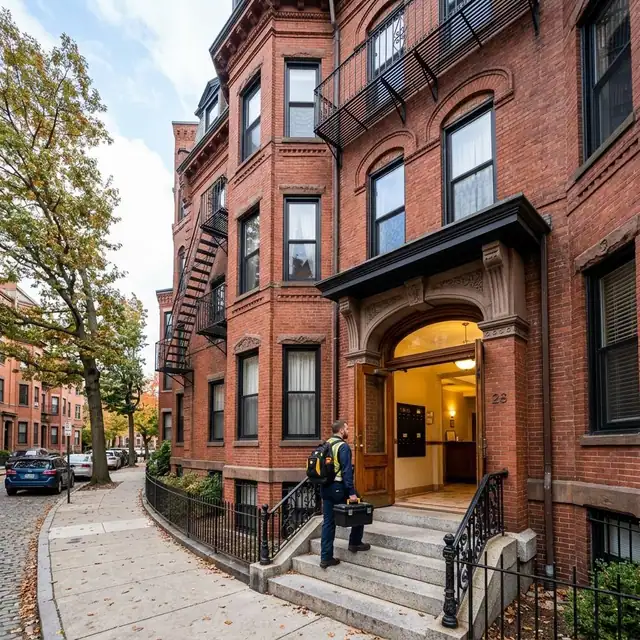
When to Call a Professional
Small patches of mold, say less than a square foot, can often be handled with household cleaners and good ventilation. But larger infestations, especially those involving black mold (Stachybotrys chartarum), require professional help. A mold removal company with mold remediation certification has the training and equipment to handle hazardous growth safely. They use containment, HEPA vacuums, and antimicrobial treatments like Concrobium to kill spores and prevent regrowth. DIY attempts on large areas can actually make things worse by disturbing spores and spreading them through the air.
If you suspect mold in your HVAC system or crawl space, do not try to clean it yourself. These areas require specialized equipment and protective gear. A professional will also identify the moisture source and recommend long-term fixes, like installing a dehumidifier or fixing drainage. If your landlord drags their feet, a written report from a certified professional can be powerful evidence in your favor.
Safe DIY Cleaning for Small Areas
For non-porous surfaces like tile or glass, you can tackle small mold spots yourself, but safety comes first. Do not use bleach on porous surfaces like drywall or wood; bleach is too watery and cannot penetrate deep enough to kill roots, so the mold often grows back. Instead, a solution of white vinegar or Borax in water is more effective and less toxic. White vinegar kills about 82 percent of mold species, while Borax leaves a residue that deters future growth. For stubborn spots, some pros recommend Microban, a broad-spectrum antimicrobial. Always wear an N95 respirator and gloves to avoid inhaling spores. Open windows and use fans to ventilate the area.
After cleaning, dry the area completely. Moisture is the enemy. Use a dehumidifier to keep indoor humidity below 50 percent, especially in basements and bathrooms. Consider applying mold-resistant paint after cleaning, which contains fungicides that inhibit regrowth. But remember, painting over mold without cleaning it first is useless; the mold will eventually push through the paint.
Tools and Products Worth Your Money
Here are practical tools that can make a difference in mold removal for renters:
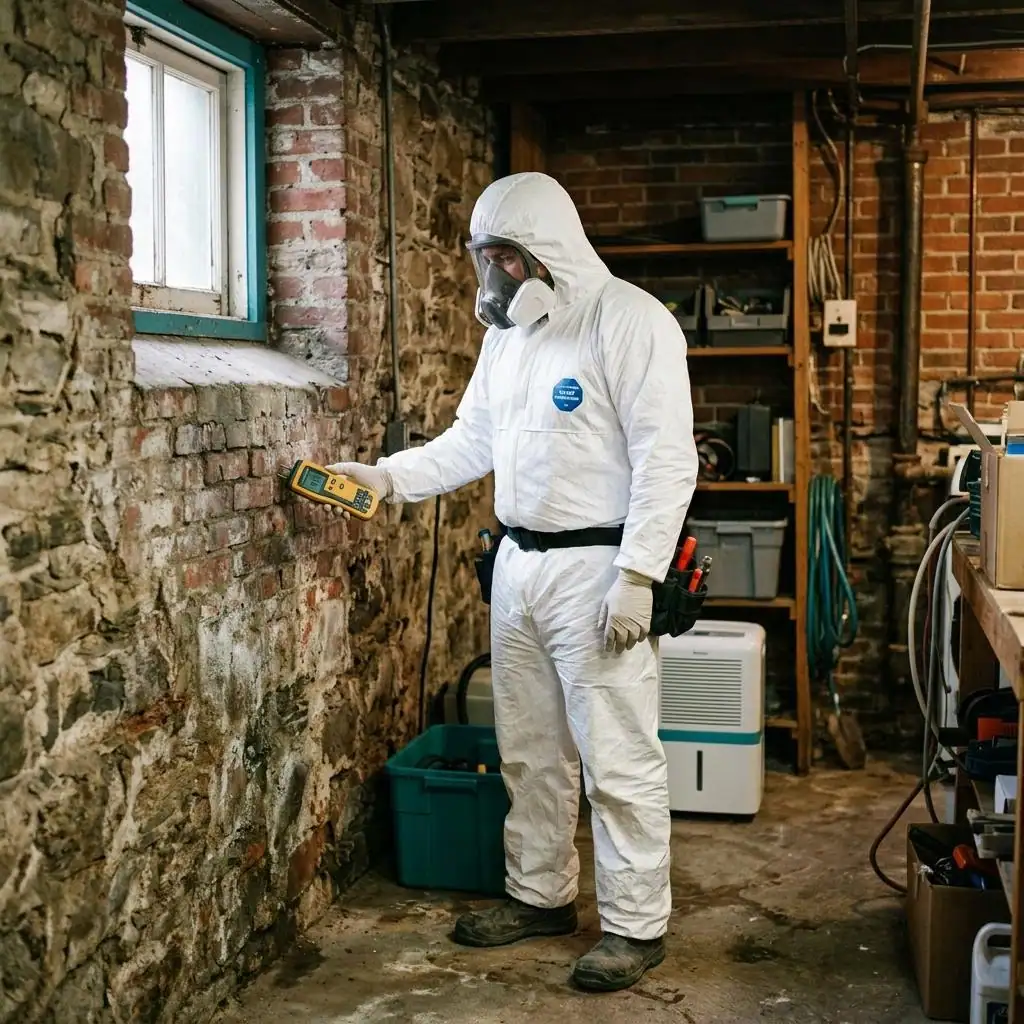
- A HEPA vacuum for capturing airborne spores after cleaning. Regular vacuums can blow spores back into the air.
- An N95 respirator and chemical-resistant gloves. Your health matters more than the mold.
- A mold test kit to confirm what you are dealing with. This can help if you need to show evidence to your landlord.
- Concrobium or Microban for treating walls and floors after cleaning. These are EPA-registered antimicrobials.
- A dehumidifier for ongoing moisture control. Many renters find this is their best investment.
Each of these items is available at hardware stores or online. If you are on a tight budget, start with the N95 mask and a bottle of white vinegar. Even small steps reduce your exposure.
Prevention Strategies for Renters
The best mold removal for renters is prevention. Here are habits that keep mold at bay:
- Wipe down shower walls after use and leave the bathroom door open to air out.
- Report leaks immediately, even small drips under the sink. A slow drip can feed mold inside cabinets.
- Use exhaust fans in kitchens and bathrooms, and run them for at least 15 minutes after cooking or showering.
- Keep furniture a few inches away from walls to allow airflow, especially in basements.
- Check window sills and seals regularly for condensation, and dry them with a cloth.
These actions cost nothing but can save you the headache of a full-blown mold problem. If you notice a persistent musty smell, it may be hidden mold inside walls or under carpets. That is a sign to ask your landlord for a professional inspection.
The Role of OSHA and Workplace Standards
While OSHA standards are designed for workplaces, they offer a useful benchmark for safety. OSHA recommends that workers handling mold wear N95 respirators or higher, use gloves, and work in well-ventilated areas. Renters can apply these same standards to their own cleaning. If you hire a mold removal company, ask whether their crew follows OSHA guidelines and whether they carry mold remediation certification. This ensures the job is done safely and effectively, reducing the chance of spores spreading to other parts of your home.
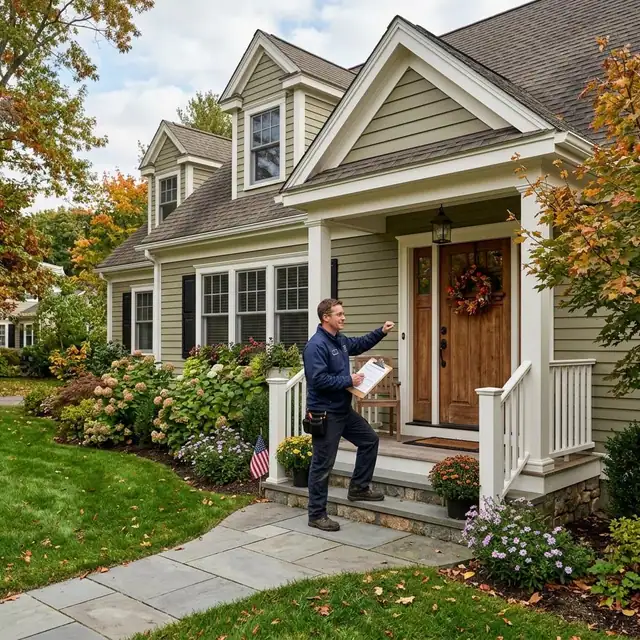
When Your Landlord Fails to Act
If your landlord ignores repeated requests to fix a moisture problem, you may have legal options. Many states allow renters to withhold rent or break a lease if the unit is uninhabitable. Document everything: photos, emails, repair requests, and health symptoms. A mold test kit can provide objective evidence. Contact your local health department or the Boston Public Health Commission for guidance. In some cases, you can hire a mold removal company yourself and deduct the cost from rent, but check your lease and local laws first. Tenant rights groups can help you navigate this process without a lawyer.
Final Thoughts on Living Mold-Free
Mold removal for renters does not have to be overwhelming. With the right knowledge, you can protect your health, preserve your belongings, and hold your landlord accountable when needed. Start with prevention, act quickly on small spots, and know when to call in a professional. Your home should be a safe place, not a source of stress. By staying informed and proactive, you can breathe easier and keep mold where it belongs - outside.